Does Plum Look Good on Warm Skin? The Truth About Undertones
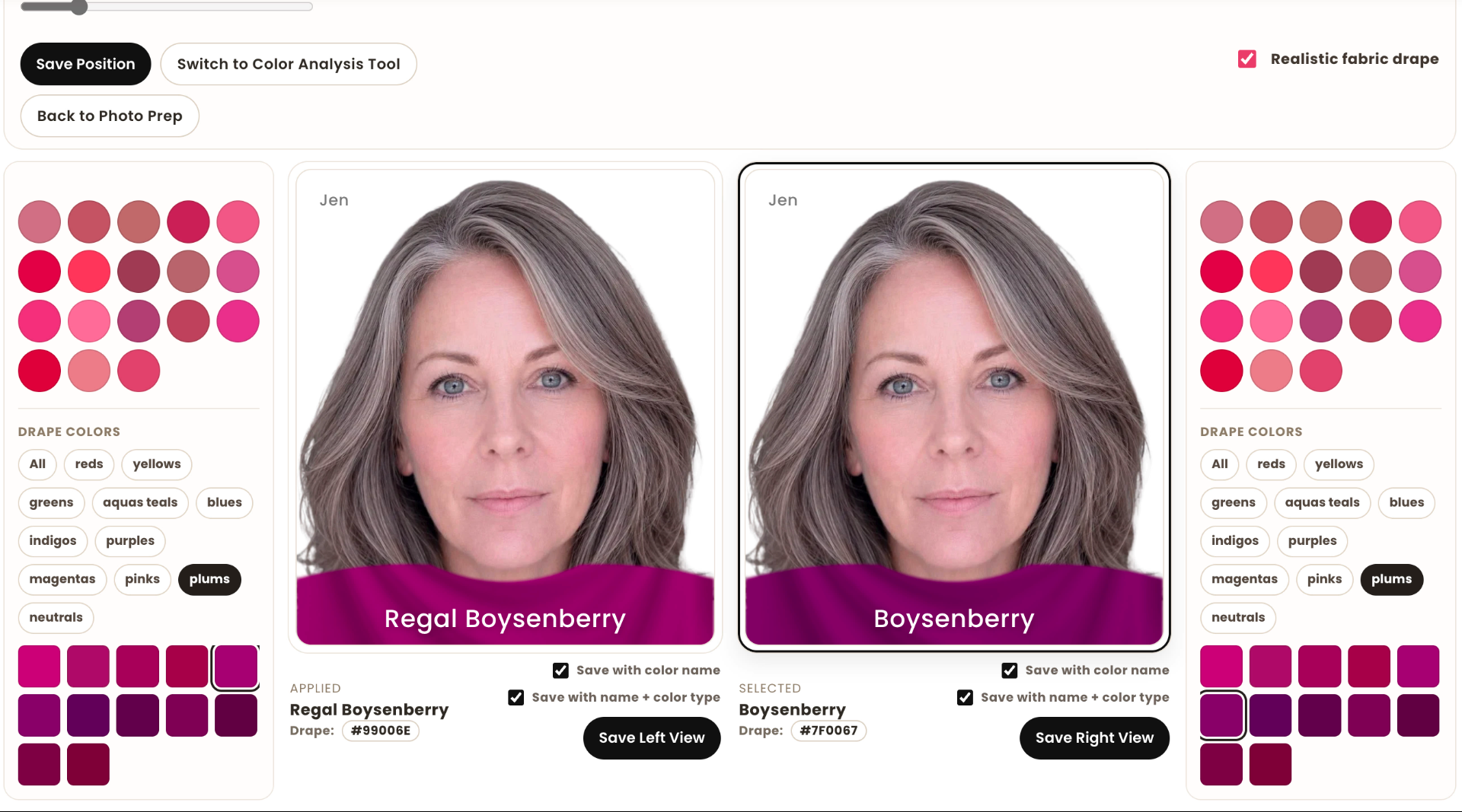
Looking Good in Plum Does Not Mean You Have Cool Undertones
Plum is often treated as a “cool” color, so it is easy to assume that anyone who looks good in plum must also have cool undertones. But one flattering color cannot determine your undertone—and warm, cool and olive people can all look beautiful in plum for very different reasons.
Explore the July Color Discovery EventJuly-only pricing and bonuses end July 31. Choose a DIY tool, recorded training or the September live cohort.
Watch: Why warm, cool and olive people can all wear plum—and why “flattering” does not always mean “harmonious.”
Have you ever thought... "I look amazing in plum, so I must have cool undertones." You're not alone. It's one of the biggest misconceptions in color analysis—and it's why so many people struggle to identify their best colors. In this article, I'll show you why that assumption is often wrong and what professional color analysts actually look for instead.
Is plum a warm or cool color?
Most people think of plum as a cool color because it belongs to the purple family and often contains a noticeable blue influence. But “plum” is not one single, exact color. Some plums are bluer, some are redder, some are muted, and others are deep and highly saturated.
That variation matters. A rich red-plum may behave differently from a smoky gray-plum or a vivid blue-plum. The person wearing it also brings their own combination of depth, undertone, chroma and natural contrast to the result.
A color can look attractive on you without matching your undertone. Sometimes the effect is harmony. Sometimes it is contrast.
Why one flattering color cannot reveal your undertone
A reliable personal color analysis is not based on asking whether one color looks “good.” Many colors can be attractive for many reasons. The better question is: What is the color doing to the person?
Color harmony
Harmony happens when a color repeats qualities already present in your coloring. The color and the person appear visually connected, balanced and naturally at home together.
Color contrast
Contrast happens when a color is different from the qualities in your coloring. The result may still be striking and beautiful, but the color stands out rather than blending in.
Both effects can be flattering. But only one of them may be giving you useful information about undertone. That is why an analyst must look beyond a general impression and observe the specific changes happening in the face.
When evaluating a color, look for:
- Whether the skin appears smoother, clearer and more even.
- Whether shadows, redness or discoloration become more noticeable.
- Whether the eyes, lips and hair feel connected to the color.
- Whether you notice the person first—or the color first.
- Whether the result feels balanced or visually demanding.
How a cool person may wear plum
On someone with cool undertones, the blue or cool-red quality in plum may repeat the coolness already present in the skin, eyes or hair. When the depth and intensity are also right, the effect can feel harmonious: the complexion looks clear, the features feel connected and the color does not overpower the person.
But even a cool person will not look equally good in every plum. A shade may still be too deep, too muted, too bright or too warm. Undertone is only one part of the analysis.
How a warm person may wear plum
Plum can also look beautiful on someone with warm undertones. Instead of repeating the warmth in the person, the cooler quality of the color may create an appealing contrast. That contrast can make warm skin appear especially golden, lively or radiant.
This is exactly where people can misread the result. They see that plum is flattering and conclude that the person must be cool. In reality, the beauty may be coming from the dynamic relationship between a cooler color and warmer coloring.
How an olive person may wear plum
Olive coloring adds another layer because olive is not simply another word for warm. Olive skin can vary in depth, temperature and chroma, and may have a green, gray or golden quality that changes how surrounding colors appear.
Plum may interact beautifully with that green quality because purple and green create visual contrast. Depending on the person and the exact plum, the color may make the skin appear clearer, richer or more luminous. But again, that does not automatically prove a cool undertone.
The real lesson: color analysis requires comparison
You cannot accurately determine undertone by holding up one favorite color. You need to compare carefully selected colors and watch how the face changes from one color to the next.
For example, instead of asking only whether plum looks good, compare its effect with colors that offer different temperature clues. Does the face appear clearer in a warm red or a cool red? Does a golden green create harmony or emphasize sallowness? Does blue bring the person forward or make the complexion appear flat?
The answer comes from the pattern across multiple comparisons—not from one winning color.
If this surprised you, imagine what else you'll discover.
Most people assume that if a color looks good, it must match their undertones. As you've just seen, that's only one small piece of the puzzle.
Professional color analysis looks at depth, undertone, chroma, harmony, contrast, and how colors interact with your unique features. Once you understand the process, you'll never look at color the same way again.
During our July Color Discovery Event, you can choose the experience that matches your goals:
- Discover your own best colors with the DIY Color Analysis Tool.
- Learn the complete Your Color Style method through recorded training.
- Join me live this September and learn color analysis with hands-on practice and personal feedback.
Good color analysis is not about proving that a person can or cannot wear a color. It is about understanding why the color works.
What should you do if plum looks good on you?
Wear it. A personal color palette is not meant to take away colors you love. It is meant to help you understand which versions are easiest to wear and what effect they create.
Then take the analysis one step further. Ask whether your best plum is light or deep, soft or bright, red-based or blue-based. Compare it with other colors instead of using it as a stand-alone undertone test. That process will tell you far more about your coloring.
Three ways to explore color during July
Whether you want to discover your own colors or learn how to analyze color professionally, choose the level of guidance that fits your goal.
DIY Color Analysis Tool
Work through your own depth, undertone and chroma using a guided digital process.
$47 plus a July bonus digital paletteLearn Color Analysis
Follow recorded instruction and learn how depth, undertone and chroma are professionally evaluated.
July introductory price: $67September Live Cohort
Get six live classes, practical assignments, mentoring and individual feedback.
Enroll for $497 by July 31Plum, undertones and personal color analysis
Does plum look good on warm skin?
Yes. Plum can create a beautiful contrast with warm skin and make the complexion appear golden or radiant. Looking good in plum does not, by itself, mean that a person has cool undertones.
Is plum considered a warm or cool color?
Plum is generally associated with the cooler side of the color wheel, but there are warmer, redder plums and cooler, bluer plums. Its depth and chroma also affect how it looks on a person.
Can olive skin wear plum?
Yes. Plum can create an attractive contrast with the green or gray quality found in olive coloring. The best version depends on the person's depth, undertone and chroma.
Can one color tell me whether I am warm or cool?
No. A dependable undertone result comes from comparing multiple colors and observing a consistent pattern in how the complexion changes.
What is the difference between color harmony and contrast?
Harmony repeats qualities already present in your coloring. Contrast introduces a different quality that can still create an attractive or dramatic effect. Both can be flattering, but they communicate different information during an analysis.