What Does Color Analysis Certification Teach?
Interest in color analysis has grown dramatically in recent years. As more people discover how powerful the right colors can be, many begin to wonder how color analysts actually learn their craft.
Color analysis may look simple from the outside, but professional analysts rely on a structured process for evaluating color harmony and determining a person’s most flattering palette.
This is why many aspiring analysts choose to complete a color analysis certification program. Certification programs teach the principles and techniques needed to evaluate coloring accurately and work with real clients.
Let’s take a closer look at what students typically learn during color analysis training.
Understanding Color Harmony
The foundation of any color analysis training program is color harmony — the relationship between clothing colors and the natural colors present in a person's skin, hair, and eyes.
Students learn how certain colors can enhance facial features while others may create shadows, dullness, or imbalance.
Learning to recognize these visual effects is one of the most important skills for a color analyst.
You can learn more about the fundamentals of this process in our overview of professional color analysis.
Evaluating Depth
One of the first technical skills taught in color analysis certification is identifying depth.
Depth refers to how light or deep a person’s overall coloring appears. Hair color, eye color, and skin tone all contribute to this characteristic.
Understanding depth helps analysts determine whether lighter, medium, or deeper colors will feel most harmonious.
Identifying Undertone
Another essential skill is determining a person's undertone.
Undertone refers to the temperature of the skin and typically falls into warm or cool categories.
Correctly identifying undertone is critical because it determines which color families — such as warm reds or cool blues — will naturally complement the person's complexion.
Understanding Chroma
Chroma describes whether a person's coloring is naturally bright and clear or softer and more muted.
Some individuals shine in crisp, vibrant colors, while others look better in blended, subtle shades.
Learning how to recognize chroma helps analysts refine a color palette so that it reflects the true clarity of someone's natural features.
Using Color Draping Techniques
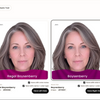
Color draping is the process of comparing different colors near the face to observe how they affect the appearance of the skin and eyes.
Students learn how to look for changes such as:
- Skin appearing brighter or duller
- Shadows around the eyes deepening or softening
- Eyes becoming clearer and more vibrant
- The face appearing more balanced overall
These visual cues help analysts determine which colors create the most flattering harmony.
Learning Virtual Color Analysis
Many modern certification programs now include training in virtual color analysis.
This approach allows analysts to evaluate clients using carefully prepared photographs and digital draping tools.
Virtual analysis makes it possible for color analysts to work with clients anywhere in the world.
Creating Personalized Color Palettes
Once a client’s depth, undertone, and chroma are identified, analysts learn how to create a practical color palette.
This palette becomes a guide that helps the client choose flattering clothing, makeup, and accessories.
A well-designed palette makes shopping easier and helps build a wardrobe where colors naturally coordinate.
Working With Real Clients
In addition to color theory, certification programs often teach how to conduct consultations and communicate results clearly.
Students learn how to guide clients through the analysis process and explain how to use their color palette in everyday life.
Why Certification Matters
Structured training helps analysts develop the skills needed to evaluate coloring accurately and consistently.
Rather than relying on guesswork or intuition, certification programs teach a clear framework for analyzing color harmony.
This structured approach allows analysts to provide reliable and professional results for their clients.
Learn the Foundations of Color Analysis
If you're interested in understanding how depth, undertone, and chroma determine a person's best colors, you can start by downloading our free Color Analysis Guide.
If you'd like to explore professional training in color analysis, you can also learn more about the Your Color Style Color Analyst Certification.
This program teaches the step-by-step process used to analyze color and create personalized palettes for clients.