What Skills Do Color Analysts Need?
Color analysis may appear simple at first glance. After all, many people assume it’s just a matter of identifying whether someone looks better in warm or cool colors.
In reality, professional color analysts rely on a set of specific skills that allow them to evaluate how color interacts with a person’s natural features.
These skills help analysts determine which colors will make a person’s complexion appear brighter, their eyes clearer, and their overall appearance more balanced.
If you’ve ever wondered what it takes to become a color analyst, here are the core skills professionals develop during color analysis training.
Understanding Color Theory
The foundation of color analysis is color theory.
Color analysts must understand how colors relate to one another, including hue relationships, temperature differences, and color intensity.
This knowledge allows analysts to recognize which colors naturally harmonize with a person’s features and which ones create imbalance.
A strong understanding of color theory helps analysts move beyond guesswork and evaluate color interactions more accurately.
Observational Skills
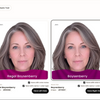
One of the most important skills a color analyst develops is the ability to observe subtle visual changes.
When different colors are compared near the face, analysts look for clues such as:
- Skin appearing brighter or duller
- Shadows under the eyes becoming softer or deeper
- Eyes looking clearer or more muted
- The face appearing more balanced overall
Learning to recognize these changes takes practice and careful observation.
Evaluating Depth
Depth refers to how light or deep someone’s natural coloring appears.
Hair color, eye color, and skin tone all contribute to this characteristic.
Analysts learn to determine whether lighter, medium, or deeper colors will feel most harmonious with a client’s features.
Understanding depth helps narrow down which color ranges will be most flattering.
Identifying Undertone
Undertone is one of the most widely discussed aspects of color analysis, but it is also one of the most misunderstood.
Professional color analysts learn how to evaluate the temperature of the skin accurately rather than relying on common myths or quick tests.
Correctly identifying undertone helps determine whether warm or cool color families will harmonize best.
Recognizing Chroma
Chroma describes whether a person’s natural coloring is bright and clear or soft and muted.
Some individuals look vibrant in bold, crisp colors, while others appear more balanced in blended, subtle shades.
Recognizing chroma helps analysts refine color palettes so that the intensity of the colors matches the clarity of the person’s features.
You can learn more about how these elements work together in our overview of professional color analysis.
Communication Skills
Color analysts also develop strong communication skills.
Clients often want to understand why certain colors work better than others. Analysts need to explain their observations clearly and guide clients through how to use their color palette in everyday life.
Helping clients feel confident about their colors is an important part of the consultation process.
Learning Virtual Analysis Techniques
Modern color analysts increasingly use virtual analysis methods.
This involves evaluating carefully prepared photographs and using digital tools to compare colors near the face.
Virtual color analysis allows analysts to work with clients regardless of location, making the service more accessible.
Developing Professional Confidence
Like any professional skill, color analysis becomes stronger with practice.
Training programs often include exercises and examples that help students build confidence in their evaluations.
Over time, analysts become more comfortable recognizing patterns in coloring and determining the most harmonious palettes.
Learning the Skills of Color Analysis
If you’re interested in learning how color analysts evaluate depth, undertone, and chroma, a great place to begin is by understanding the fundamentals of color harmony.
You can download our free Color Analysis Guide to explore these principles.
If you’d like to learn the full professional method used by trained analysts, you can also explore the Your Color Style Color Analyst Certification.
This training teaches the step-by-step process used to evaluate coloring and create personalized color palettes for clients.